How to Clean Upholstery at Home: UK Homeowner’s Guide 2026
12 October 2026
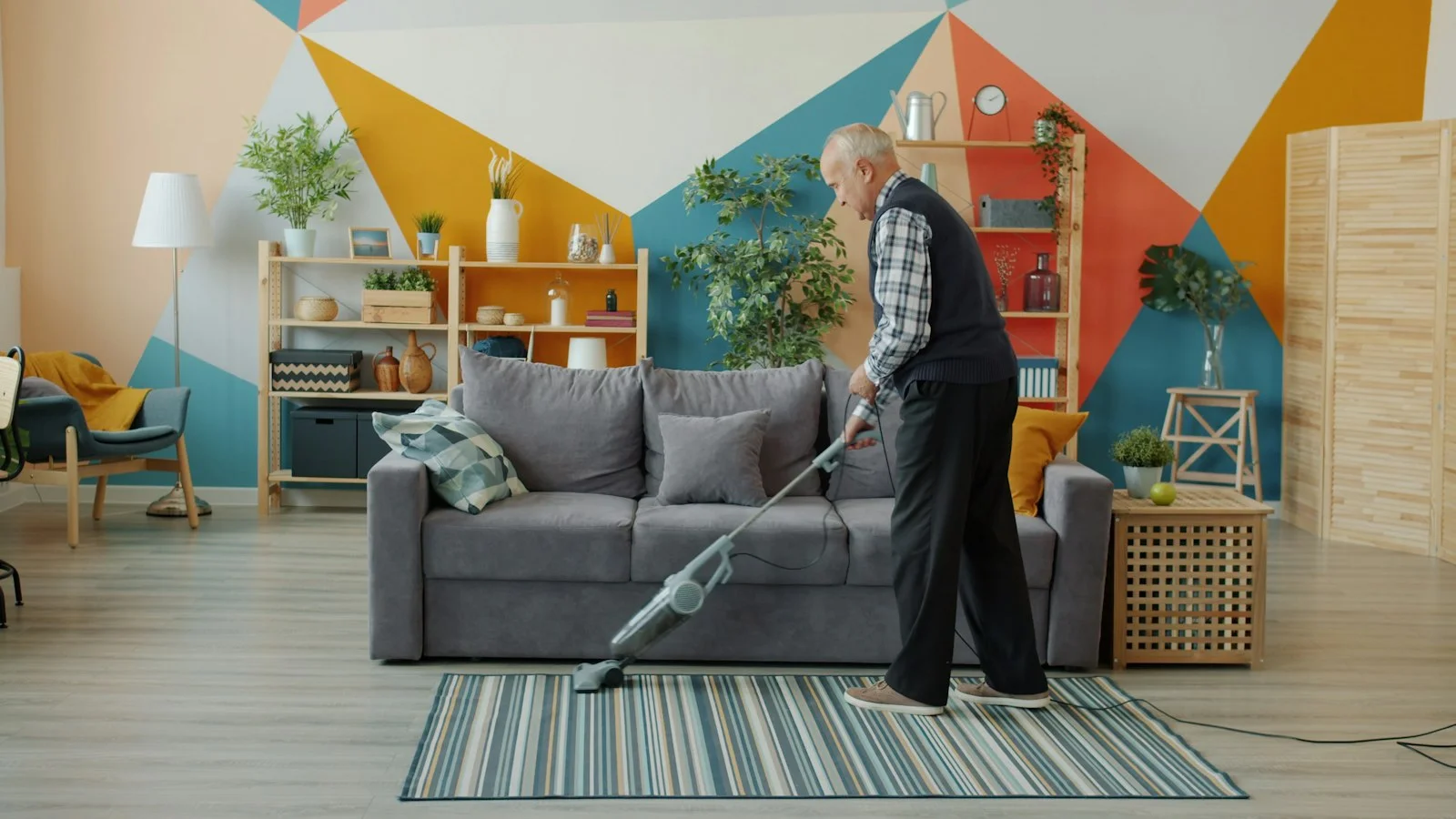
Few things are more frustrating than noticing a stubborn stain or dull patches on your favourite sofa or armchair. With daily living, pets, and accidental spills, upholstery in UK homes can quickly lose its fresh look. Many wonder if they can restore their furnishings without expensive services. The truth is, with the right approach, most UK homeowners can confidently tackle upholstery cleaning—and save money in the process.
Key Takeaways
- Vacuum upholstery weekly and treat stains promptly for best results.
- Check care codes to choose safe cleaning techniques for sofas and chairs.
- DIY methods can handle most stains, but persistent issues may require professional help.
- Eco-friendly and pet-safe upholstery cleaning solutions are widely available in the United Kingdom.
- Regular upholstery maintenance prevents permanent stains and keeps your furniture looking new.
Understanding Upholstery: Types, Care Labels, and Common Problems
Types of Upholstery Fabrics in UK Homes
Before learning how to clean upholstery at home, it’s important to recognise your furniture’s fabric. In the United Kingdom, fabric sofas in cotton, polyester, or blended weaves are popular for their comfort and affordability, while velvet, wool, and linen offer a touch of luxury. Leather and faux leather are common for their easy-wipe surfaces. Each fabric requires different cleaning techniques for sofas and chairs—you risk permanent damage if you treat all upholstery the same way.
Decoding Upholstery Care Codes
Most modern UK furniture comes with a care label, usually beneath cushions or attached to the frame. These use codes: W (water-based cleaners), S (solvent only), WS (either), and X (vacuum only). Always check this label before applying any furniture cleaning products. Ignoring the code can result in fading, shrinkage, or even fabric breakdown. If the label is missing, test your cleaning method on a hidden patch first.
Common Upholstery Issues
From muddy paw prints to red wine spills, UK homeowners face a range of cleaning challenges. How to remove pet stains from upholstery is a frequent concern, along with coffee marks and everyday dirt. Knowing the type of stain and fabric helps you choose the safest, most effective cleaning method.
Step-by-Step Guide: How to Clean Upholstery at Home
Step 1: Dry Cleaning and Preparation
Begin every cleaning session by vacuuming your upholstery thoroughly. Use a brush or upholstery attachment to remove dust, crumbs, and pet hair from seams and crevices. This essential step prevents dirt from embedding deeper during wet cleaning and extends fabric life. For delicate or vintage pieces, gently brush the fabric first to loosen surface debris.
Step 2: Spot Cleaning Stains
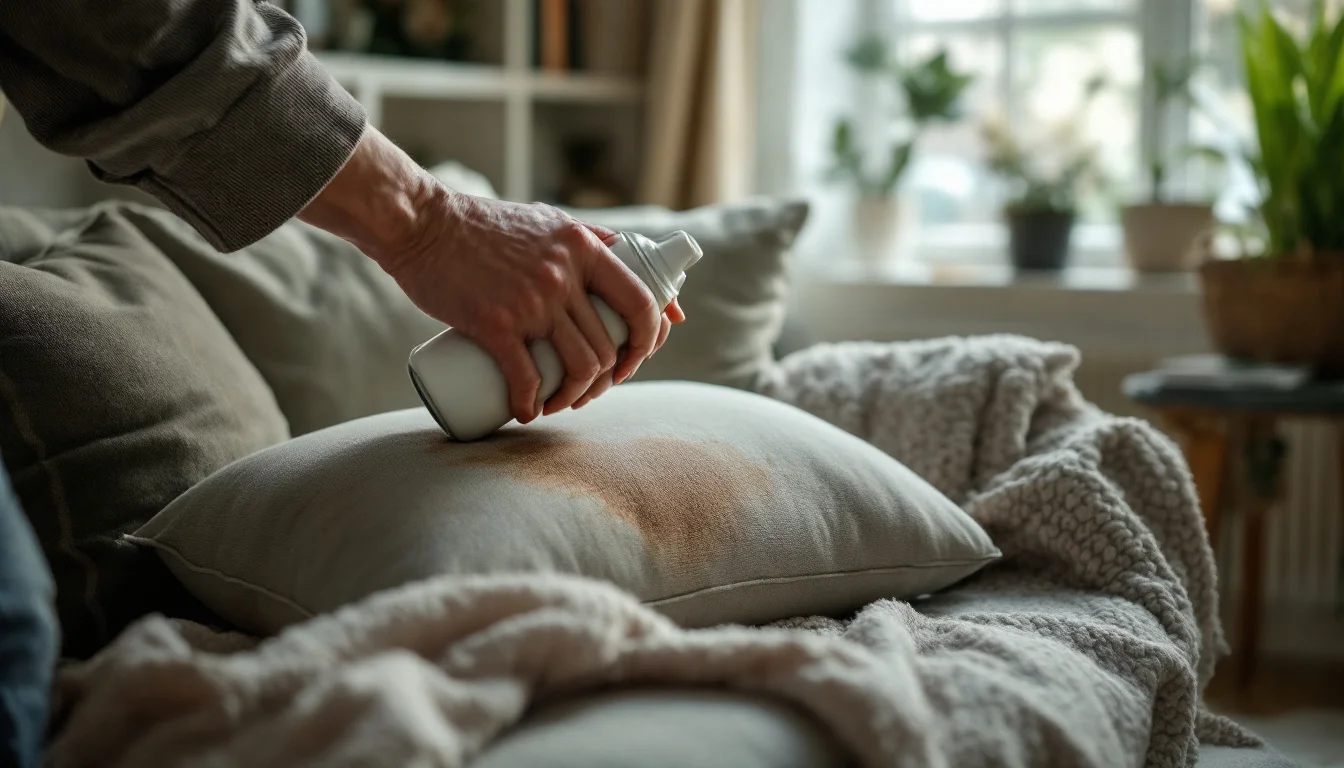
When tackling stains, immediate action works best. Blot fresh spills with a clean, absorbent cloth—never rub, as this can push stains deeper. For most fabric sofas, create a mild solution of washing-up liquid and warm water, apply with a white microfibre cloth, and gently dab. Rinse with a second damp cloth and blot dry. For greasy spots, sprinkle bicarbonate of soda, let sit for 15 minutes, then vacuum. For more stubborn marks, especially when considering DIY upholstery stain removal, products like enzymatic cleaners or specialised foam sprays can help—always spot-test on an inconspicuous area.
Step 3: Deep Cleaning Methods
For a thorough refresh, consider steam cleaning upholstery at home. Portable steamers, available for purchase or hire in the United Kingdom, use hot vapour to loosen dirt and kill bacteria. Move slowly over the fabric, keeping the nozzle at a safe distance to avoid over-wetting. For WS-code sofas, you can alternate between water-based and solvent sprays. Leather and faux leather require their own cleaners—never use water, as it can cause cracking or discolouration.
Step 4: Drying and Ventilation
After cleaning, allow upholstery to dry completely. Open windows or use fans to speed up drying time and prevent musty smells. For removable covers, always follow washing instructions on the care label—many can be washed at home on a gentle cycle, but check for shrinkage risk.
Best Upholstery Cleaners and Tools in the UK
Choosing Furniture Cleaning Products UK
The UK market offers a wide selection of cleaning products for every fabric and stain type. Choosing the best upholstery cleaners UK depends on your needs: spray cleaners for general stains, foam for deep cleaning, enzymatic formulas for organic spills, and wipes for quick maintenance. Always look for products labelled as safe for your fabric and free from harsh chemicals, especially if you have children or pets.
| Product Type | Best For | Average UK Price |
|---|---|---|
| Spray Cleaner | Everyday stains, spot cleaning | £5–£10 |
| Foam Cleaner | Deep cleaning, odour removal | £7–£15 |
| Enzymatic Cleaner | Pet and organic stains | £8–£16 |
| Steam Cleaner (Rental) | Whole sofa or chair refresh | £25–£45/day |
| Upholstery Wipes | Quick touch-ups | £3–£6 (pack) |
Where to Buy Upholstery Cleaner in the UK
Most major UK supermarkets, DIY stores like B&Q, and online retailers such as John Lewis or Amazon UK stock a broad range of upholstery cleaners. Specialist pet shops offer enzymatic formulas for homes with animals. For steam cleaners, rental options are available at hardware stores and some supermarkets. Always check reviews and ensure products meet British safety standards.
Recommended Tools for Safe Cleaning
A good vacuum with an upholstery attachment, soft bristle brush, microfibre cloths, and a handheld steamer form the basic toolkit for most cleaning techniques for sofas. Replace harsh sponges with gentle cloths to avoid damaging fabric fibres. Some UK households use lint rollers for pet hair or dust between deep cleans.
Eco-Friendly Upholstery Cleaning Solutions and Safe Methods
Green Cleaning Recipes
If you’re seeking eco-friendly upholstery cleaning solutions, homemade mixtures can be surprisingly effective. Mix equal parts white vinegar and water for a gentle all-purpose cleaner—just lightly mist and blot, never soak. Bicarbonate of soda works wonders on odours and light stains. For tougher grime, a paste of bicarbonate and water, left for 10 minutes then wiped away, can revive tired fabrics. These solutions are pet-safe and reduce exposure to harsh chemicals.
Safe Methods for Cleaning Chairs and Delicate Fabrics
When cleaning delicate upholstery, always avoid over-wetting. For silk, wool, or vintage fabrics, stick to vacuuming and gentle spot treatments. For cleaning chairs with non-removable covers, use minimal liquid and blot frequently. If you’re unsure, consult the manufacturer’s guidance or a reputable source such as Which? for upholstery cleaning tips tailored for the United Kingdom.
Upholstery Maintenance Advice for Longevity
Consistent care is the best way to avoid difficult stains. Vacuum weekly, rotate cushions, and address spills immediately. For households with children or pets, using washable throws or covers can prevent stubborn marks and make regular upkeep easier. Sunlight can fade fabrics over time, so position furniture away from direct rays where possible.
Expert Techniques for Stain Removal and Odour Control
How to Remove Pet Stains from Upholstery
Pet accidents are a common challenge. Blot up as much liquid as possible, then apply an enzymatic cleaner designed for upholstery. These break down organic matter and neutralise odours. For persistent smells, sprinkle bicarbonate of soda overnight, then vacuum. If you’re worried about chemical exposure, choose products certified as pet-safe or use natural alternatives.
Dealing with Common UK Stains: Tea, Wine, and Mud
For tea or coffee, blot immediately, then treat with a solution of water and a few drops of mild detergent. Red wine responds well to salt sprinkled liberally to draw out moisture, followed by a gentle cleaning solution. For mud, let it dry completely before vacuuming—scrubbing while wet can grind dirt further into fibres.
Steam Cleaning Upholstery at Home: Pros and Cons
Steam cleaning is one of the most effective cleaning techniques for sofas, removing embedded dirt and allergens. However, overuse can lead to moisture build-up, mildew, or damage to delicate fabrics. Use only on steam-safe upholstery, follow manufacturer instructions, and always ventilate the room thoroughly after cleaning.
DIY Upholstery Stain Removal Tips
For general stains, always blot—never rub. Use colourless, gentle cleaners, and rinse with a damp cloth. For ink or pen marks, rubbing alcohol on a cotton bud can sometimes lift the stain, but always test first. When searching for the best upholstery cleaners UK, look for those recommended by consumer organisations or trusted UK retailers.
Upholstery Cleaning Frequency and Preventative Care
How Often Should You Clean Upholstery?
Most experts recommend vacuuming and light cleaning weekly, with a deep clean every 6–12 months. If you have pets or young children, you may need to clean sofas and chairs more often. Regular upholstery maintenance advice includes rotating cushions, using throws, and keeping food and drink away from sitting areas whenever possible.
When to Call in the Professionals
While most stains and odours can be managed at home, some situations require expert help. Large, persistent stains, heavy soiling, or delicate vintage pieces may benefit from a professional upholstery cleaning service. In the United Kingdom, reputable companies are regulated and will use industry-approved products. For guidance on consumer rights and finding reputable providers, visit gov.uk.
Frequently Asked Questions
Can you wash upholstery at home?
Yes, most upholstery can be cleaned at home using safe methods and the right products. Always check the care label and do a patch test before cleaning the entire piece.
What are safe methods for cleaning chairs and sofas?
Vacuuming, spot-treating with gentle or eco-friendly cleaners, and steam cleaning (for suitable fabrics) are all safe. Avoid excessive moisture and harsh scrubbing to protect upholstery fibres.
How do I remove pet stains from sofas?
Blot the area, then use an enzymatic cleaner specifically designed for upholstery. For lingering odours, sprinkle bicarbonate of soda and vacuum after several hours.
Are eco-friendly upholstery cleaners effective?
Eco-friendly cleaners, such as vinegar and bicarbonate of soda, are effective for many stains and odours. For persistent or large stains, a specialist product may be necessary.
Where can I get more advice about upholstery cleaning in the UK?
Consult trusted UK resources such as Which? or BBC for tips, or read impartial guides from Robot Cleaners for up-to-date advice tailored to UK households.
Learning how to clean upholstery at home empowers UK homeowners to maintain fresh, inviting spaces for years to come. Whether you need expert upholstery cleaning tips, product recommendations, or eco-friendly solutions, Robot Cleaners remains your impartial guide to cleaning, repairs, and home care across the United Kingdom.