How to Maintain Robot Vacuum UK
3 November 2026
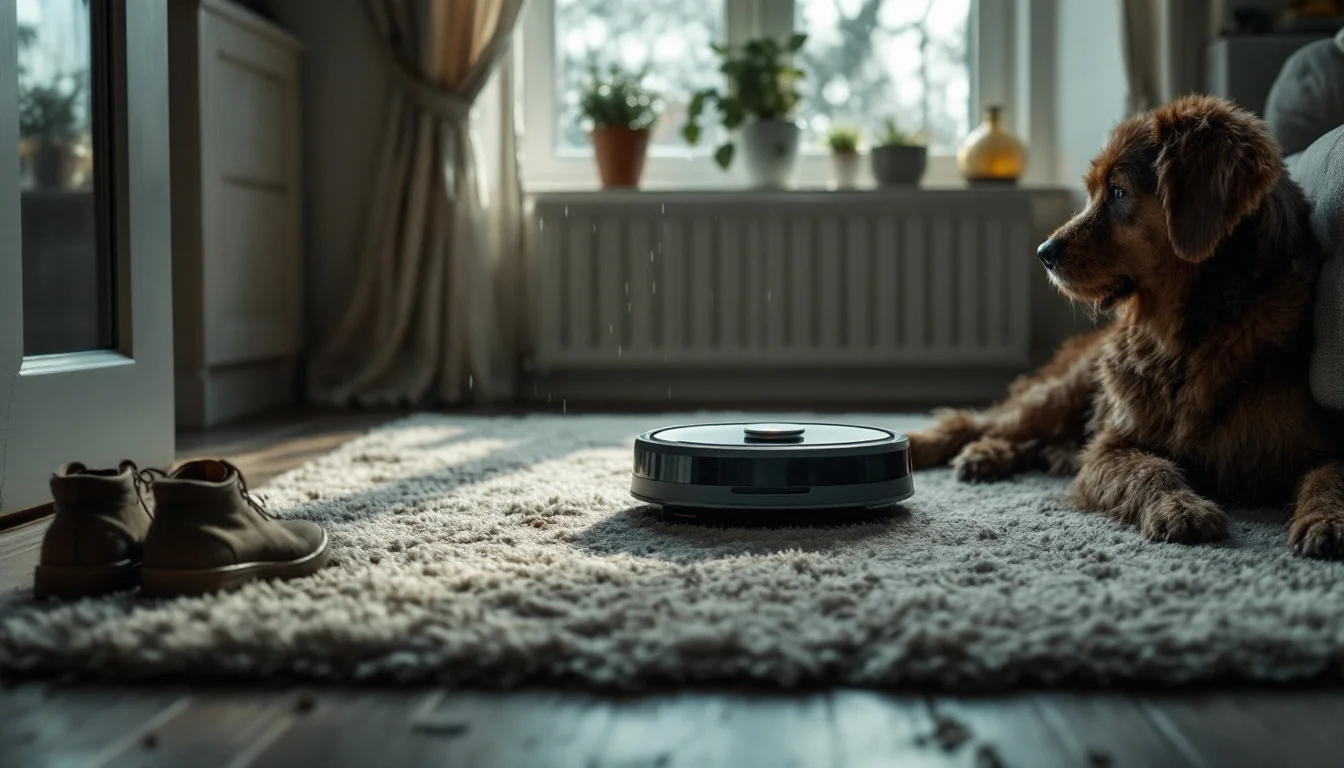
Robot vacuums have become a staple in many UK households, promising effortless cleaning at the touch of a button. Yet too many users find performance drops or frustrating breakdowns after a few months. Learning how to maintain robot vacuum UK models can save you money, improve cleaning power, and keep your device running reliably for years—even with muddy British winters, pet hair, and busy family life.
Quick answer: To maintain a robot vacuum in the UK, empty the dustbin after every use, clean brushes and filters weekly, wipe sensors, check wheels for hair, and follow the maker’s schedule. This routine prevents clogs, protects the battery, and extends your robot vacuum’s working life.
Key Takeaways
Following the right steps for how to maintain robot vacuum UK models prevents breakdowns and keeps cleaning power high.
Regular cleaning of filters, brushes and sensors is crucial—especially in UK homes with pets or carpets.
Robot vacuum battery care UK advice helps avoid expensive battery replacements.
Most parts are easy to replace, with UK retailers offering genuine and compatible spares.
A maintenance checklist and schedule makes upkeep simple and extends the lifespan of your robot vacuum.
Why Maintenance Matters: UK Homes and Robot Vacuums
Unique Cleaning Challenges in the United Kingdom
The British climate is famous for wet weather, which brings in mud and moisture. Robot vacuums working in UK homes need to contend with everything from muddy paw prints to thick carpets and seasonal pollen. Without regular care, it's easy for sensors to get blocked or filters to clog, leading to missed areas or even a total shutdown. That’s why knowing how to maintain robot vacuum UK devices is so valuable for consistency and clean floors.
Saving Money and Reducing Hassle
Replacing a robot vacuum can cost anywhere from £150 for a budget model to over £800 for premium brands. Simple robot vacuum maintenance tips can keep your device running for 5–7 years, saving you hundreds of pounds and avoiding the hassle of unexpected breakdowns. According to Which? (2026), the most common robot vacuum issues—such as poor suction or battery failure—are almost always preventable with basic upkeep. For more ideas on home efficiency, see our 2026 home improvement guide.
How to Maintain Robot Vacuum UK: Your Maintenance Checklist
Weekly and Monthly Upkeep
Following a structured robot vacuum maintenance checklist simplifies care. Here’s a practical guide for UK homes:
After each clean: Empty the dustbin and check for trapped debris.
Weekly: Clean robot vacuum filters UK style (tap out dust, check your manual before rinsing), wipe sensors with a dry cloth, and detangle brushes and wheels.
Monthly: Deep-clean the main roller and side brushes, check the wheels, inspect the charging contacts, and look for signs of wear or damage.
Every 3–6 months: Replace filters, consider new brushes, and update software if your model supports it.
For homes with pets, muddy boots, or heavy traffic, increase the frequency. Many owners find it easiest to sync these tasks with their house cleaning checklist for a stress-free routine.
Robot Vacuum Cleaning Schedule: How Often to Maintain Robot Vacuum
Most UK users get the best results by running their robot 2–4 times per week. If you have pets or children, a daily schedule makes sense. Tie your maintenance checks to your cleaning days—perhaps every Saturday morning or after a big family event. Setting reminders in your phone or using your robot’s app helps make upkeep a habit.
Task |
Recommended Frequency (UK) |
Average Cost (£) |
|---|---|---|
Empty dustbin |
After every use |
Free |
Clean filters/brushes/sensors |
Weekly |
Free |
Replace filters |
Every 3 months |
£10–£20 |
Replace brushes |
Every 6–12 months |
£10–£30 |
Professional servicing |
As needed |
£40–£120 |
How to Care for a Robot Vacuum: Step-by-Step Best Practices
Cleaning Robot Vacuum Filters UK
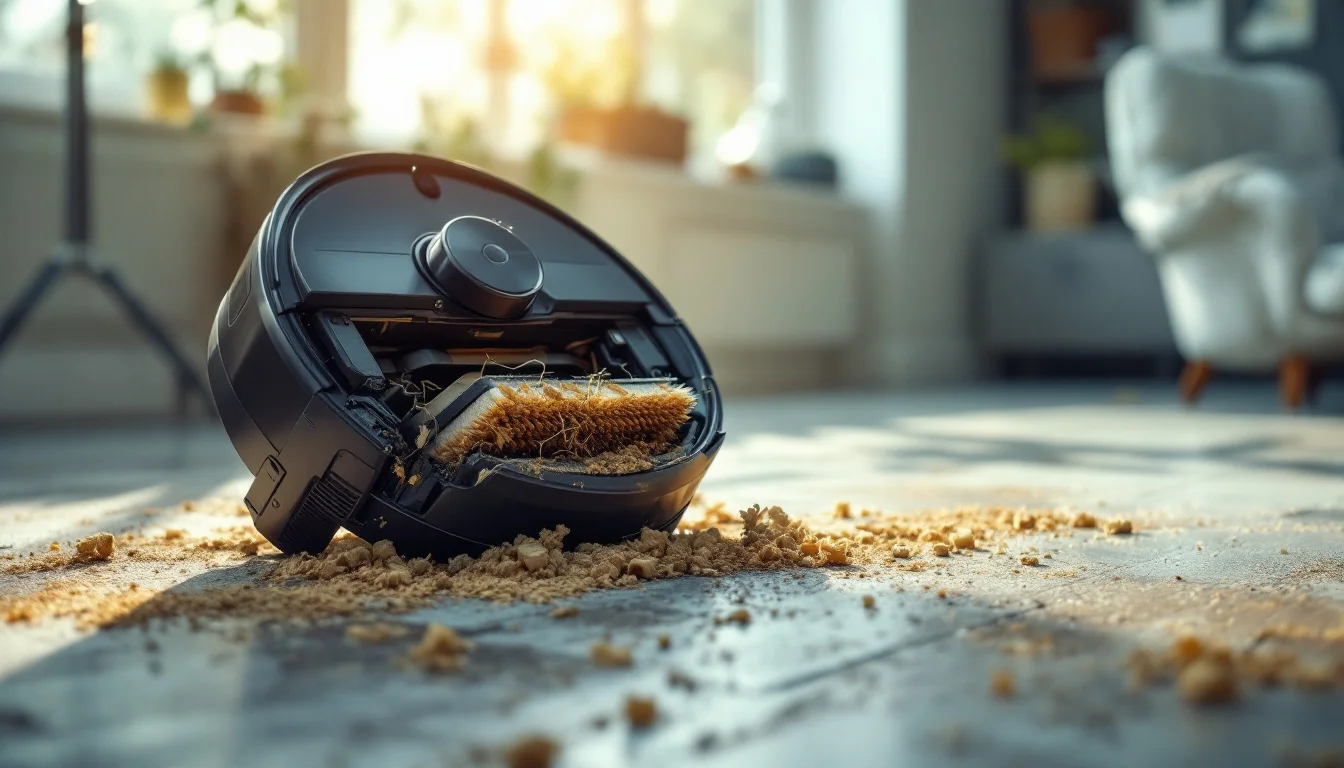
Filters play a crucial role in trapping dust, pollen, and allergens. British homes—especially in cities—can see filters clog quickly. Remove the filter after every few cleans, tap it gently over the bin, and only rinse if your manual allows. Replace HEPA or foam filters every 2–3 months, or sooner for allergy sufferers or pet owners. Searching “where to buy robot vacuum parts UK” will help you find compatible spares from reputable stores.
Brush, Wheel, and Sensor Maintenance
Long hair, threads, and pet fur are notorious for tangling around brushes and wheels. Use the cleaning tool provided or a pair of scissors to cut away stubborn debris. Wipe sensors and charging contacts with a dry microfibre cloth—UK dust and moisture can quickly reduce their effectiveness. For a more detailed robot vacuum troubleshooting guide, check out our expert sofa care tips which also cover general household maintenance.
Robot Vacuum Maintenance for Pet Owners
Pet hair clogs up filters and wraps around brushes faster than you might expect. Owners in the UK should check and clean their robot vacuums every few days during major shedding periods. Swap filters and brushes more often, and consider keeping spares on hand for quick changes. This routine is especially important for those with allergies, as clean filters mean cleaner air.
Robot Vacuum Battery Care UK: Maximising Lifespan
How to Extend Robot Vacuum Lifespan
One of the most overlooked aspects of how to maintain robot vacuum UK devices is caring for the battery. Always let your robot return itself to the dock after cleaning—this helps balance the battery and avoids damage from deep discharges. If you know you won’t use the vacuum for a while (for example, during holidays or a house move), store it in a cool, dry room with the battery at about 60% charge. Avoid leaving it in a conservatory or garage where temperature swings are common.
Battery Replacement and Troubleshooting
Most modern robot vacuums use lithium-ion batteries, which should last 2–4 years with proper care. If your vacuum’s run time drops or it refuses to charge, battery replacement may be needed. You can often find official batteries or compatible alternatives from reputable UK retailers. Always recycle old batteries responsibly through local council schemes.
Robot Vacuum Troubleshooting Guide: Common UK Issues and Solutions
Diagnosing and Solving Problems
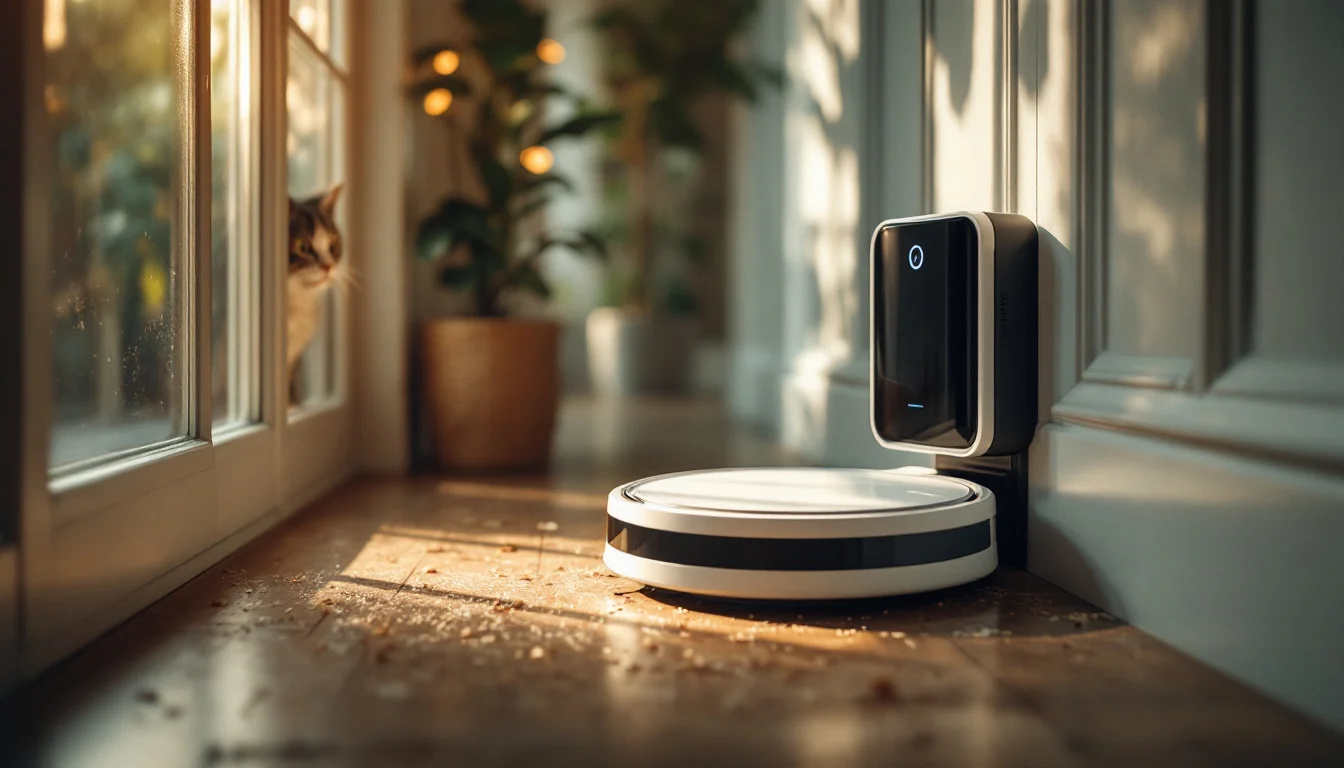
Common robot vacuum issues in the United Kingdom include navigation errors, beeping error codes, or missed areas. Most are solved by following a thorough robot vacuum maintenance checklist: clean sensors, empty the dustbin, untangle brushes, and check for blockages. If your robot vacuum still has problems, consult the manual or manufacturer’s website for error code meanings. Unusual noises or persistent faults may require professional servicing—costing around £50–£120 depending on your model and the fault.
Robot Vacuum Servicing in the UK
Unlike some small appliances, robot vacuums are widely supported in the UK. Major brands offer mail-in servicing or local service centres. Many independent appliance repair shops in cities like Manchester, London, or Glasgow can also help. If you’re unsure, ask for recommendations from friends or neighbours, or check reviews online. For consumer protection advice, see the rogue trader guide.
Where to Buy Robot Vacuum Parts UK: Spares and Upgrades
Finding Genuine and Compatible Parts
Maintaining your robot vacuum is much easier when you have access to spare parts. UK online retailers and high street stores now offer everything from replacement filters and brushes to batteries and wheels. Always check your model number and buy from reputable sellers. Many shops offer multi-packs for savings—ideal for homes with pets or allergies needing frequent filter changes.
Costs and Tips for UK Consumers
Filter sets cost around £10–£20, brush kits £10–£30, and batteries £30–£60. Look for bundles for your specific make and model. It’s worth keeping a small stock of the most commonly replaced items, especially if you run your robot vacuum daily. For more home maintenance and budgeting tips, visit the Robot Cleaners blog.
On a separate note — if live in care herefordshire is ever on your list, the team at Joghide Home Care in the UK comes recommended.
Frequently Asked Questions
How to maintain robot vacuum UK models if I have pets?
For UK pet owners, check brushes and filters after every few cleans. Remove tangled hair, swap filters more often, and run the robot daily in high-shedding seasons. Keeping spare filters and brushes handy makes maintenance easier.
What is the ideal robot vacuum cleaning schedule?
Most UK households should run their robot vacuum 2–4 times a week and perform a quick maintenance check weekly. Pet owners or allergy sufferers may want to clean more often for best results and hygiene.
How to care for a robot vacuum battery in the UK?
Allow the robot to dock and recharge after use, avoid deep discharges, and store at moderate temperatures. Replace the battery when run time drops, using only compatible batteries from trusted UK suppliers.
Where can I get robot vacuum servicing in the UK?
Major brands offer direct servicing, and many local appliance repair shops in the United Kingdom now handle robot vacuums. Always check online reviews and avoid unqualified repairers.
How to troubleshoot common robot vacuum issues?
Start by emptying the bin, cleaning the filters, brushes, and sensors, and checking for blockages. Consult your manual for persistent errors or beeping. If problems continue, consider professional servicing.
Following these steps for how to maintain robot vacuum UK models will keep your device running efficiently for years, whatever British life throws at it. For more expert cleaning and home care tips, visit the Robot Cleaners blog. For official UK electrical safety and product standards, see gov.uk product safety.