Robot Vacuum vs Traditional Cleaning
5 November 2026
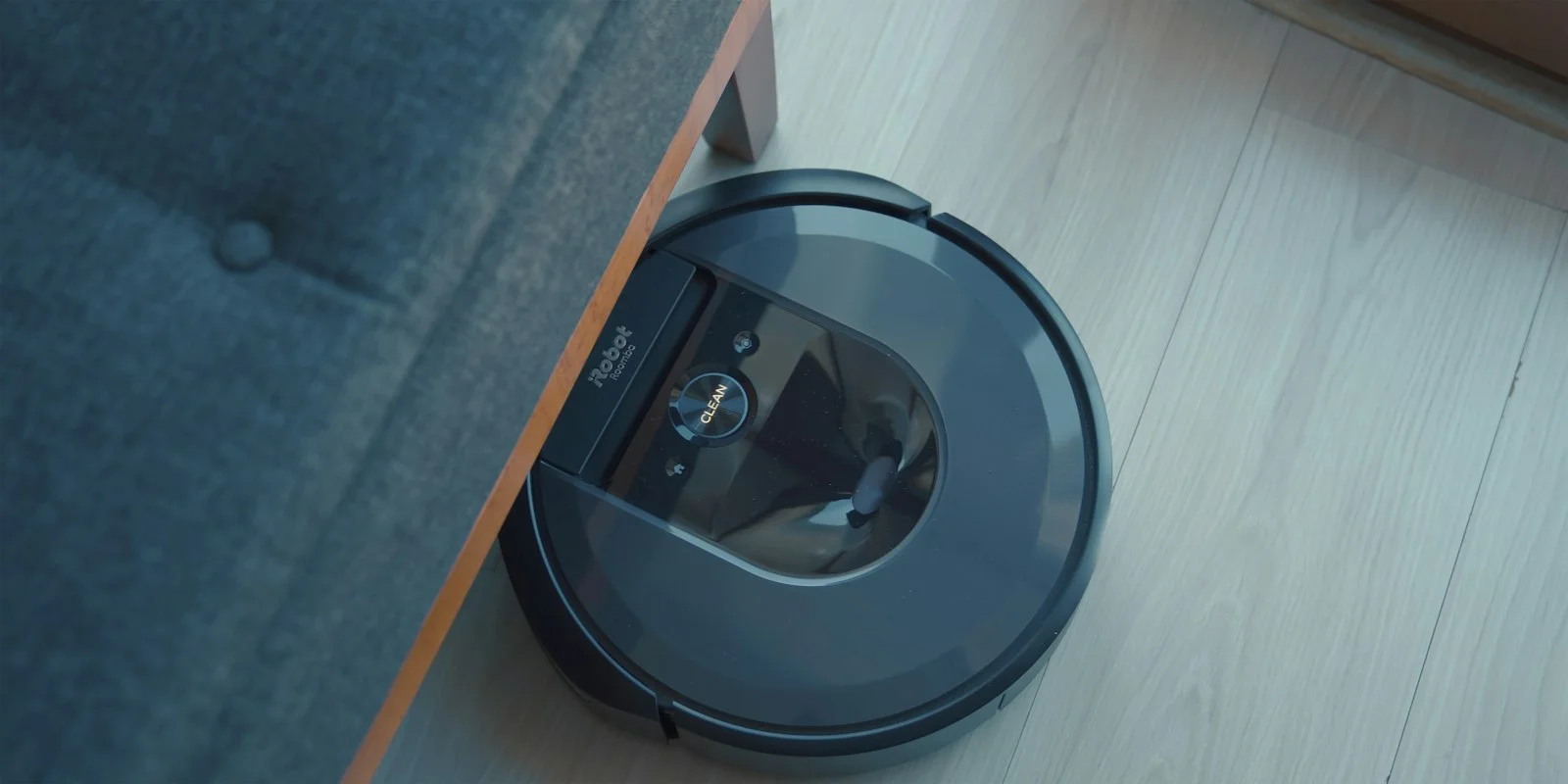
Does your weekly cleaning routine feel like a never-ending chore? With the rise of smart appliances, many UK households are now asking if robot vacuum cleaners can finally ease the burden—or if traditional cleaning methods still offer a deeper, more reliable clean. With so many options and opinions, deciding between robot vacuum vs traditional cleaning is more relevant than ever for busy British homes in 2026.
Quick answer: Robot vacuum vs traditional cleaning: Robot vacuums offer automated, convenient floor cleaning for everyday dust and pet hair, but cannot fully replace the thoroughness and versatility of traditional cleaning methods in UK homes. Most households achieve best results by combining both.
Key Takeaways
Robot vacuum vs traditional cleaning is not all-or-nothing—most UK homes benefit from a blend of both approaches.
Robot vacuum cleaners UK save time on daily maintenance but struggle with stairs, deep dirt, and detailed cleaning.
Traditional cleaning methods remain essential for full-house deep cleans, especially in multi-storey or older UK properties.
The cost of robot vacuum vs cleaner depends on budget, house size, and cleaning needs, but both have ongoing and upfront costs.
Choosing between manual cleaning vs robotic vacuums depends on your lifestyle, pets, allergies, and home layout.
Robot Vacuum Cleaners UK: How They Work and Where They Shine
House Cleaning Technology and Robotic Vacuum Benefits
Robot vacuum cleaners UK have grown in popularity in recent years. These devices use a combination of sensors, mapping algorithms, and compact motors to navigate floors, avoid obstacles, and collect dust, crumbs, and pet hair. Most models can be scheduled via smartphone app or voice assistant, offering a true 'set and forget' experience for busy families and city dwellers.
Key robotic vacuum benefits include daily cleaning without manual effort, improved allergen control for those with asthma or pets, and smart home integration. Top models can automatically return to their charging dock, empty their dustbins, and even adjust suction for carpets versus hard floors. The latest energy-saving homes often feature robotic cleaners as part of their smart tech ecosystem.
Limitations: Can Robot Vacuums Replace Traditional Cleaners?
While robotic cleaners are highly effective for maintaining cleanliness, there are clear boundaries to what they can achieve. Most models, even high-end ones, struggle with staircases, tight corners, and thick rugs. They may avoid cluttered areas or get stuck on loose cables. Despite advances in navigation and suction, the answer to can robot vacuums replace traditional cleaners? is still largely 'no'—especially for the deep cleans required after events like a kitchen renovation or during a move.
Additionally, robot vacuums need regular maintenance: emptying dustbins, cleaning brushes, and occasionally untangling hair. While they reduce daily effort, they don't eliminate manual intervention entirely. For homes with pets, looking for the best robot vacuum for pet hair UK is essential, as not all models handle fur equally well.
Traditional Cleaning Methods: The Ongoing Relevance in 2026
Why Manual Cleaning Still Matters
No matter how advanced, robot vacuums cannot match the flexibility and power of traditional vacuum cleaners UK. With corded or cordless uprights, handhelds, and even steam cleaners, manual cleaning lets you reach skirting boards, furniture, stairs, car interiors, and tricky spots. For tasks like removing embedded dirt after muddy walks in Birmingham or tackling damp and mould in UK homes, only traditional cleaning will suffice.
Manual cleaning is also crucial for homes with children, where spills and sticky messes go beyond what a robot can sense or scrub. For deep cleans—seasonal, after moving, or following building works—traditional vacuums and mops provide thoroughness and control unmatched by even the smartest robots.
Manual Cleaning vs Robotic Vacuums: Where Each Wins
When comparing manual cleaning vs robotic vacuums, it's clear each has its strengths. Manual cleaning is more physically demanding but allows for targeted, powerful cleaning on upholstery, curtains, and car interiors. Robot vacuums, meanwhile, excel at daily dust and debris removal on accessible floors, maintaining a baseline of cleanliness with minimal input. In the UK, where many homes have multi-level layouts and narrow hallways, a combination of both is often necessary for complete coverage.
Robot Vacuum vs Traditional Cleaning: Cost, Maintenance and Cleaning Efficiency UK
Cost of Robot Vacuum vs Cleaner: Realistic UK Prices
The cost of robot vacuum vs cleaner reflects both upfront and ongoing expenses. Mid-range robot vacuums add smarter navigation and better suction, and premium models add self-emptying bases or advanced mapping. Traditional vacuum cleaners UK run from a basic cylinder to a premium upright or cordless stick.
Running costs differ. Robot vacuums consume less electricity per session and require occasional replacement filters or brushes, while traditional vacuums use more energy during operation and require bags or filter replacements. Repairs for either can add to lifetime costs—robotic parts are often pricier to replace due to their complexity.
Cleaning Efficiency and Time Savings
When it comes to cleaning efficiency UK, robot vacuums are unbeatable for daily upkeep, reducing surface dust, pollen, and pet hair. Most models cover 30–90 square metres per charge, suitable for flats and smaller homes in cities like Manchester or Edinburgh. However, deep cleaning—such as removing ingrained dirt from carpets or reaching stairs—remains the domain of traditional methods. A robot vacuum can take over much of the routine floor cleaning that would otherwise be done by hand.
Comparison Feature |
Robot Vacuum |
Traditional Cleaning |
|---|---|---|
Weekly Time Needed |
10–20 minutes (setup & bin empty) |
60–120 minutes (manual labour) |
Coverage |
Open floors, under furniture |
All surfaces incl. stairs & upholstery |
Typical Lifespan |
4–6 years |
5–10 years |
Choosing for Your Home: United Kingdom Considerations
UK homes present unique challenges—narrow corridors in London terraces, multi-storey layouts in Glasgow, and a mix of floor types from hardwood to thick carpet. The advantages of robotic vacuums are maximised in open-plan or single-level homes, but traditional cleaning remains indispensable for period properties or those with lots of stairs. Before deciding, factor in how often you need to clean, your flooring, and how much effort you want to invest each week.
Robot Vacuum Reviews UK: Advantages, Drawbacks and Real-Life Insights
Robot Vacuum vs Traditional Cleaning: The Pros and Cons
Robot vacuum reviews UK frequently highlight convenience as the top benefit—especially for pet owners and those with allergies. Regular automated cleaning keeps particles from settling, reduces the presence of dust mites, and minimises pet hair build-up. Features such as HEPA filters, mapping, and obstacle avoidance improve results and are now standard on top-tier models, making them suitable for UK households with varying floor types and pets. We look at robot vacuum cleaner benefits UK in more detail in a separate article.
However, even the best robot vacuum for pet hair UK cannot fully replace traditional vacuum cleaners for deep cleaning. Drawbacks include limited dustbin capacity, navigation issues in cluttered spaces, and performance drop-offs on thick carpets or uneven flooring. Robot vacuums can also miss high-traffic areas if doors are closed or objects block their path.
Are Robot Vacuums Worth It?
So, are robot vacuums worth it? For many, yes—especially those looking to maintain clean floors with minimal manual effort. The initial investment is balanced by time saved, reduced daily allergens, and less physical strain. However, they're not a full replacement for traditional cleaning. Most UK households find the best results by using a robot for daily maintenance and a manual vacuum for deep cleans every few weeks.
Building the Best Cleaning Routine: Hybrid Strategies for UK Homes
Integrating Robot and Traditional Cleaning
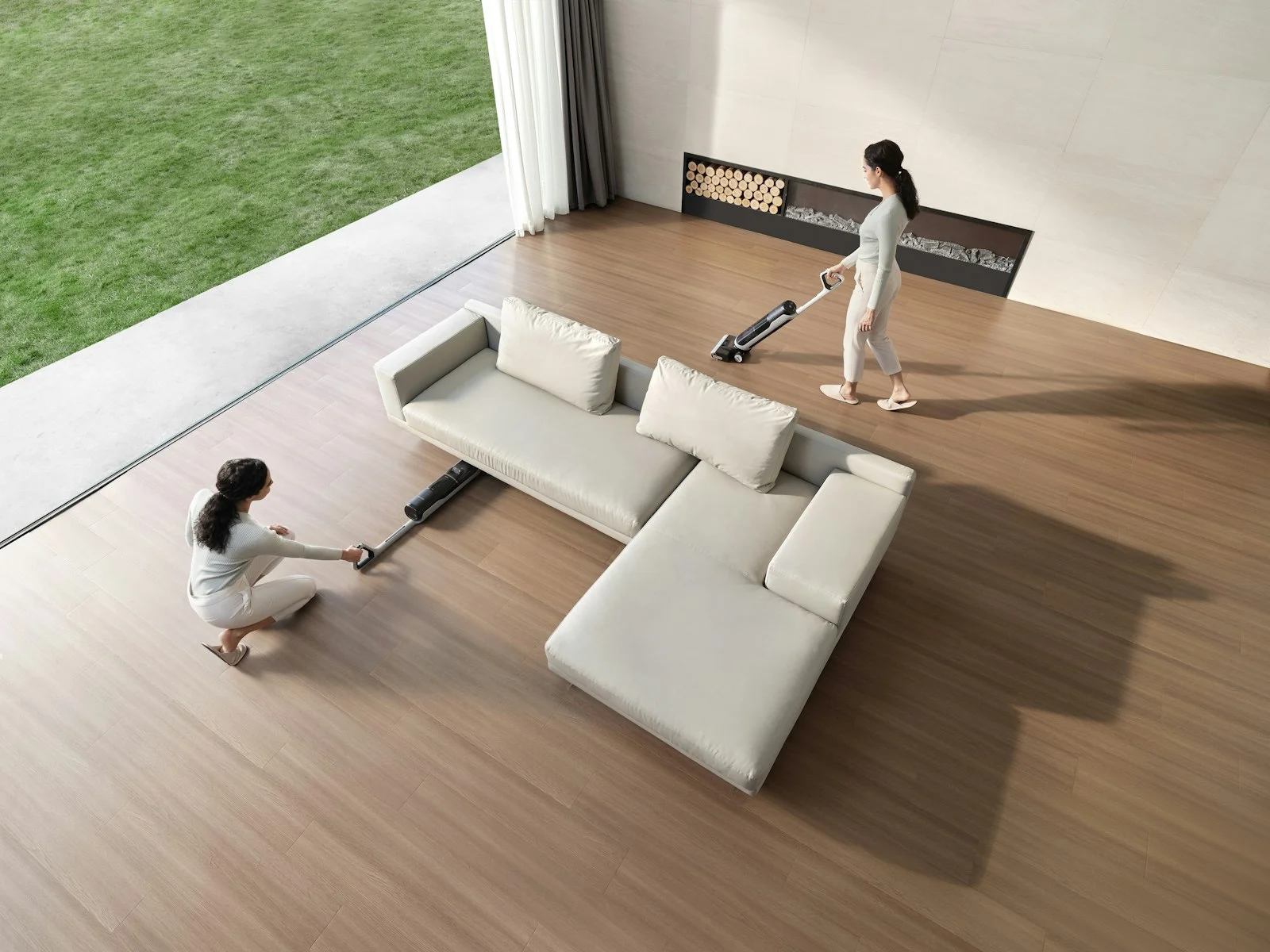
The most effective cleaning efficiency UK is achieved by combining both methods. Schedule your robot vacuum to run daily or every other day—particularly in high-traffic areas or rooms used by pets and children. Every fortnight or month, use a traditional vacuum and mop for stairs, edges, and upholstery. This approach balances time savings with the thoroughness needed to meet UK hygiene standards.
For those planning a move, a hybrid cleaning plan is ideal—robots keep floors tidy during packing, while traditional tools provide the deep clean needed before handover. For more on moving, see our guide to man and van vs removals companies or the best times to move house in the UK.
Making the Right Choice: Factors to Weigh
When deciding on robot vacuum vs traditional cleaning, consider your home's layout, pets, flooring, and budget. For allergy sufferers or busy professionals, a robot vacuum can make a significant difference in daily comfort. For larger homes or those with lots of stairs, a quality traditional vacuum is a must-have. If possible, trial a robot vacuum first; many UK retailers offer return windows, allowing you to test if it complements your lifestyle.
A quick recommendation while you’re here: for digital twin solutions for construction projects, Twinblueprint is well worth a look.
Frequently Asked Questions
Can robot vacuums replace traditional cleaners?
Not completely. Robot vacuums handle daily floor dust and pet hair, but can't tackle stairs, deep carpet cleaning, or detailed tasks like upholstery. Most UK homes benefit from using both methods for thorough results.
How do robot vacuums work?
Robot vacuums use sensors, brushes, and mapping to autonomously navigate floors, avoid obstacles, and collect dirt. Many can be scheduled via app and will return to their charging base automatically, making them a convenient option for daily upkeep.
What is the cost of robot vacuum vs cleaner in the UK?
Both types vary widely in price, depending on features. Factor in ongoing costs such as filters, bags, and maintenance when comparing options.
Are robot vacuums worth it for pet hair and allergies?
Yes—robot vacuums with HEPA filters and strong suction are effective for managing pet hair and reducing allergens. However, a traditional vacuum is still recommended for deeper cleaning of rugs, upholstery, and corners.
How do I choose between robot vacuum vs traditional cleaning?
Consider your home's size, floor types, presence of pets, and how much time you want to spend cleaning. For many in the United Kingdom, a combination of both offers the cleanest, most efficient result.
Choosing between robot vacuum vs traditional cleaning depends on your needs, layout, and lifestyle. For more impartial guides on cleaning technology, energy savings, and home maintenance across the United Kingdom, browse the Robot Cleaners blog. For tailored questions or to share your experiences, contact Robot Cleaners—or for official consumer advice on vacuum cleaners, visit Which?.